As distribution has grown more complex, data has become more prolific and decisions more consequential. But clarity hasn’t kept pace.
Distribution Technology
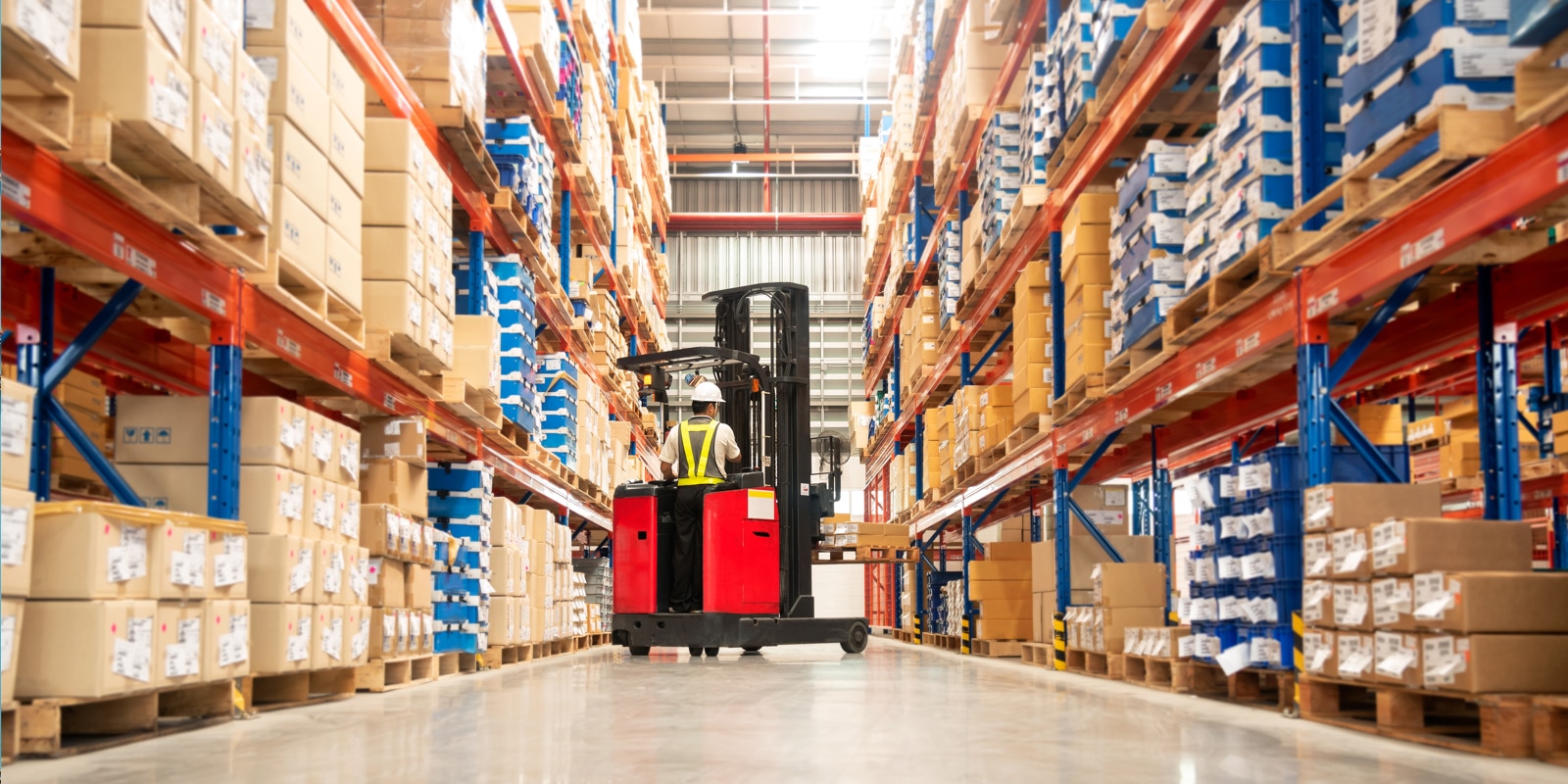
Tomorrow’s warehouse leaders will be expected to think like operators, analysts, and strategists at the same time.
Legacy systems are at their breaking point. Distributors need AI-driven, cloud-based enterprise systems to expand margins and build resilient, scalable businesses.
Off-the-shelf technology often falls short of the needs of mid-sized distributors. Custom-built systems are expensive and inflexible.
How Leading Distributors Are Turning Data into Competitive Advantage
Smart logistics technology isn’t replacing human expertise, it’s amplifying it.
As a catalyst for transformation, e-commerce strategies can be tailored for distribution and leveraged to facilitate improvements across customer experience, sales enablement, and supply
The tools to transform inventory from liability to assets are available today.
Known as “pick-by-voice,” this system guides workers through their tasks using voice commands and barcode scan validation, creating a streamlined, hands-free workflow.
Dynamic pricing represents a fundamental shift in how distributors compete.
Distributors who automate their operations gain multiple advantages that compound over time.
One of the biggest mistakes I see with CRM rollouts is thinking of it as a software project with a start and end date.
Small and mid-sized businesses (SMBs) are increasingly turning to self-service technologies to streamline operations, meet customer expectations, and drive revenue growth.

How Stellar Industrial and Palmer-Donavin are meeting customer expectations.
Pricing data needs to be normalized and centralized to be actionable.
While sales reps are drowning in tasks, prime selling opportunities slip away.
Companies that fail to embrace AI as a strategic imperative now risk falling behind.
Distributors should look to develop their own AI solutions.
AI tools can level the playing field for smaller distributors.
Gen X transitioned the business world into the digital era.
Upcoming Programs
Join us on Mar 18, 2026 at 9PT/12ET to learn how distributors measure customers, markets, and workforce to drive smarter decisions.
Join us on Mar 25, 2026, 9PT/12ET to explore the forces shaping wholesale distribution, from M&A and tech to strategy and leadership.
Join us on April 1, 2025 at 9PT/12ET to explore inventory planning strategies that hold up when markets don’t.
Join us on Apr 7, 2026 at 9PT/12ET to explore emerging AI capabilities and practical use cases for distribution leaders.
As distribution has grown more complex, data has become more prolific and decisions more consequential. But clarity hasn’t kept pace.
Tomorrow’s warehouse leaders will be expected to think like operators, analysts, and strategists at the same time.
Legacy systems are at their breaking point. Distributors need AI-driven, cloud-based enterprise systems to expand margins and build resilient, scalable businesses.
Off-the-shelf technology often falls short of the needs of mid-sized distributors. Custom-built systems are expensive and inflexible.
How Leading Distributors Are Turning Data into Competitive Advantage
Smart logistics technology isn’t replacing human expertise, it’s amplifying it.
As a catalyst for transformation, e-commerce strategies can be tailored for distribution and leveraged to facilitate improvements across customer experience, sales enablement, and supply
The tools to transform inventory from liability to assets are available today.
Known as “pick-by-voice,” this system guides workers through their tasks using voice commands and barcode scan validation, creating a streamlined, hands-free workflow.
Dynamic pricing represents a fundamental shift in how distributors compete.
Distributors who automate their operations gain multiple advantages that compound over time.
One of the biggest mistakes I see with CRM rollouts is thinking of it as a software project with a start and end date.
Small and mid-sized businesses (SMBs) are increasingly turning to self-service technologies to streamline operations, meet customer expectations, and drive revenue growth.
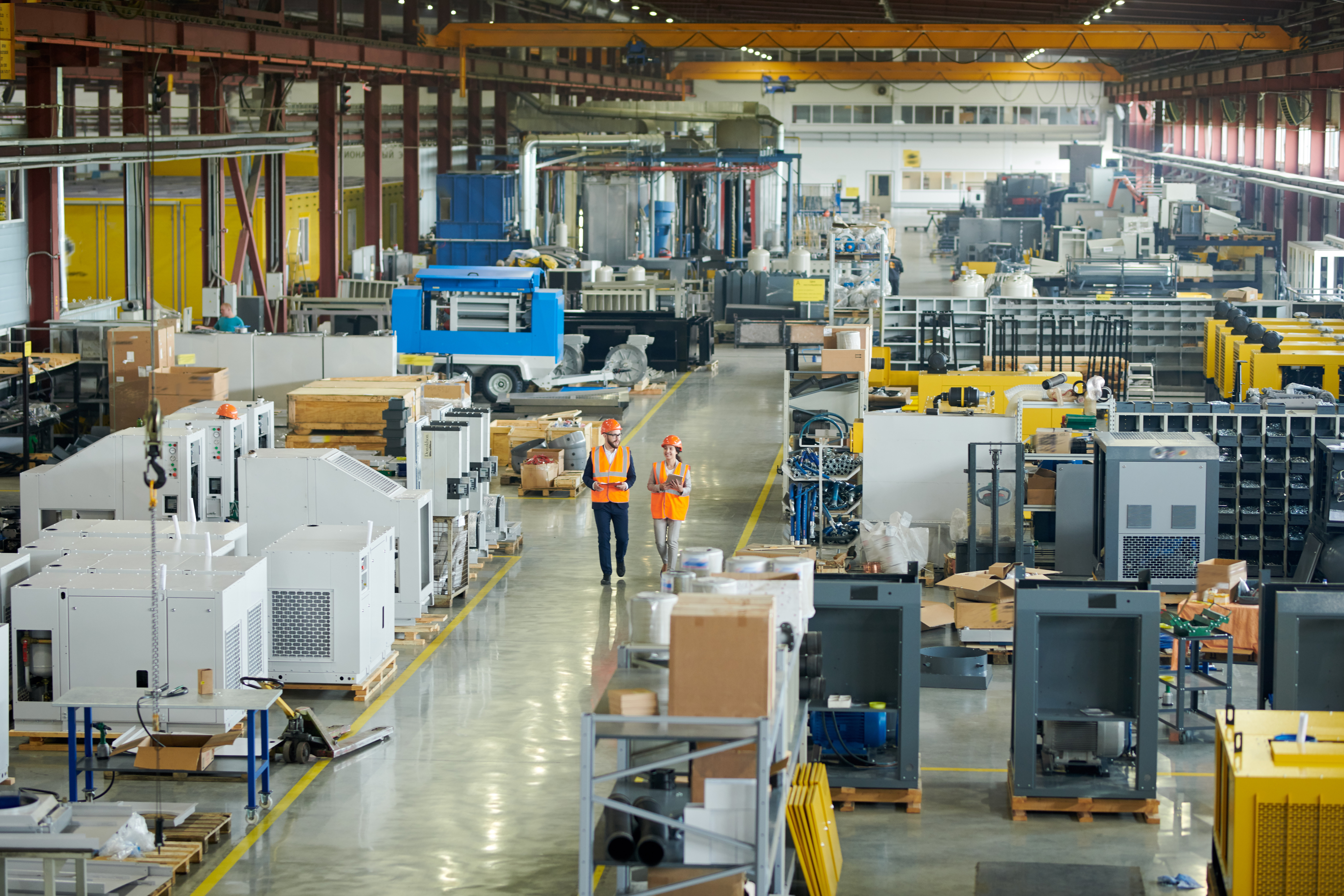
How Stellar Industrial and Palmer-Donavin are meeting customer expectations.
Pricing data needs to be normalized and centralized to be actionable.
While sales reps are drowning in tasks, prime selling opportunities slip away.
Companies that fail to embrace AI as a strategic imperative now risk falling behind.
Distributors should look to develop their own AI solutions.
AI tools can level the playing field for smaller distributors.
Gen X transitioned the business world into the digital era.
As distribution has grown more complex, data has become more prolific and decisions more consequential. But clarity hasn’t kept pace.
Tomorrow’s warehouse leaders will be expected to think like operators, analysts, and strategists at the same time.
Legacy systems are at their breaking point. Distributors need AI-driven, cloud-based enterprise systems to expand margins and build resilient, scalable businesses.
Off-the-shelf technology often falls short of the needs of mid-sized distributors. Custom-built systems are expensive and inflexible.
How Leading Distributors Are Turning Data into Competitive Advantage
Smart logistics technology isn’t replacing human expertise, it’s amplifying it.
As a catalyst for transformation, e-commerce strategies can be tailored for distribution and leveraged to facilitate improvements across customer experience, sales enablement, and supply
The tools to transform inventory from liability to assets are available today.
Known as “pick-by-voice,” this system guides workers through their tasks using voice commands and barcode scan validation, creating a streamlined, hands-free workflow.
Dynamic pricing represents a fundamental shift in how distributors compete.
Distributors who automate their operations gain multiple advantages that compound over time.
One of the biggest mistakes I see with CRM rollouts is thinking of it as a software project with a start and end date.
Small and mid-sized businesses (SMBs) are increasingly turning to self-service technologies to streamline operations, meet customer expectations, and drive revenue growth.

How Stellar Industrial and Palmer-Donavin are meeting customer expectations.
Pricing data needs to be normalized and centralized to be actionable.
While sales reps are drowning in tasks, prime selling opportunities slip away.
Companies that fail to embrace AI as a strategic imperative now risk falling behind.
Distributors should look to develop their own AI solutions.
AI tools can level the playing field for smaller distributors.
Gen X transitioned the business world into the digital era.